
Paphos lighthouse and the archaeological park
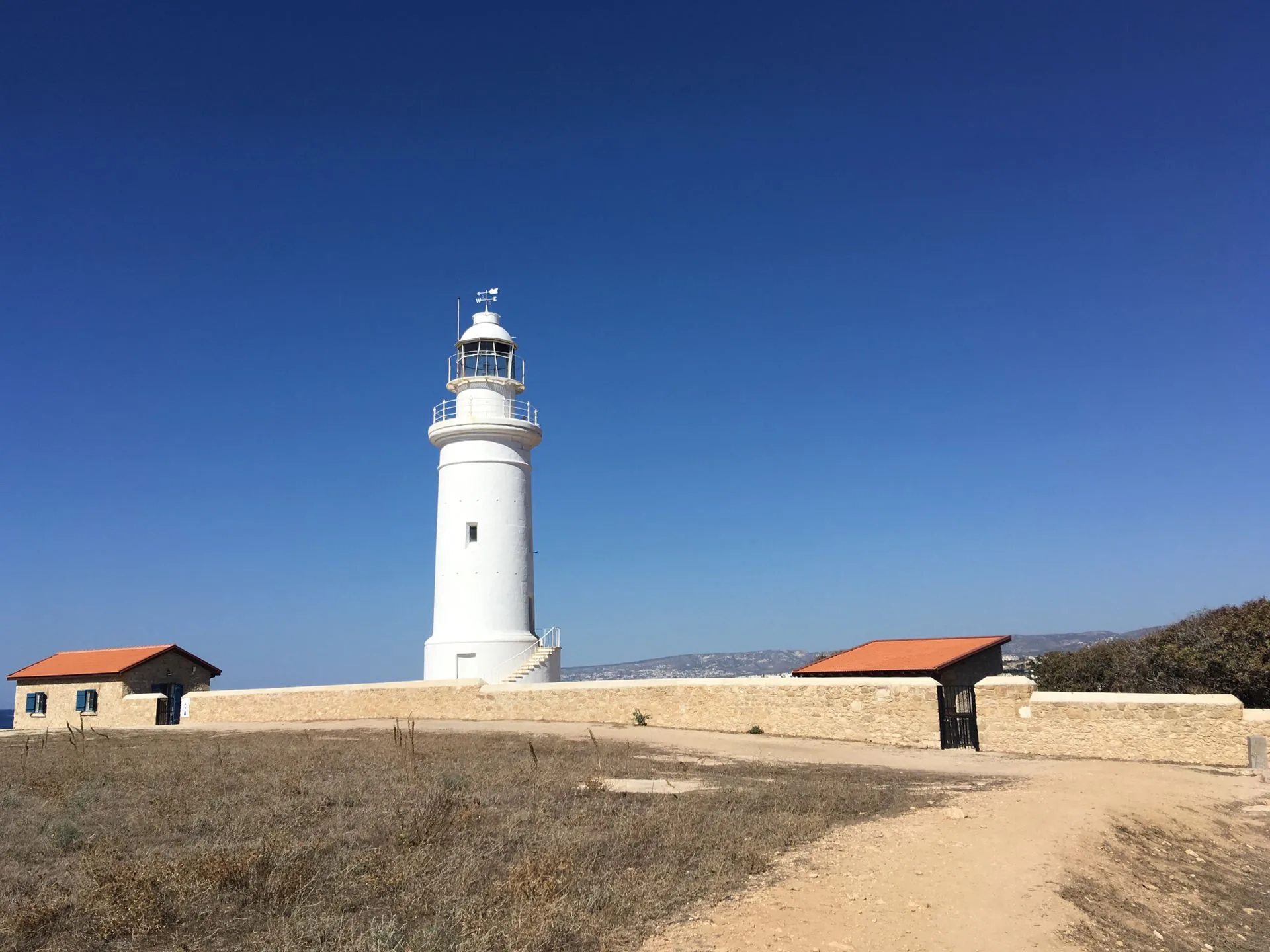
The castle and the light at the end of the harbour. Late afternoon is the hour the stone goes warm.
צילום: Sergei Gussev / Pexels
The lighthouse stands on the low headland west of Paphos harbour, inside the Kato Paphos archaeological park. It was built by the British in 1888 and it is still working, a plain white tower on a hill of thyme and ruins. You cannot go up it. You walk to it, and the walk is the thing.
The park around it is a UNESCO World Heritage site, and the reason is under cover a few hundred metres away: the Roman villas of Dionysos, Theseus and Aion, with floor mosaics from the second to fourth centuries that are among the best anywhere in the Mediterranean. Theseus fighting the Minotaur in a labyrinth of coloured stone; Dionysos riding a leopard. Allow two hours for the mosaics, and then walk out to the lighthouse along the paths through the ruins of the agora and the odeon.
The harbour
Back at the harbour, the small Ottoman-era castle at the end of the quay is open, and climbing to its roof costs a couple of euros for a view of the whole bay. The harbour-front restaurants are where the day ends for most people, and that is where a membership turns up in Paphos: a drink with the meal, on the days the kitchen is glad of you.
הטבות בקרבת מקום
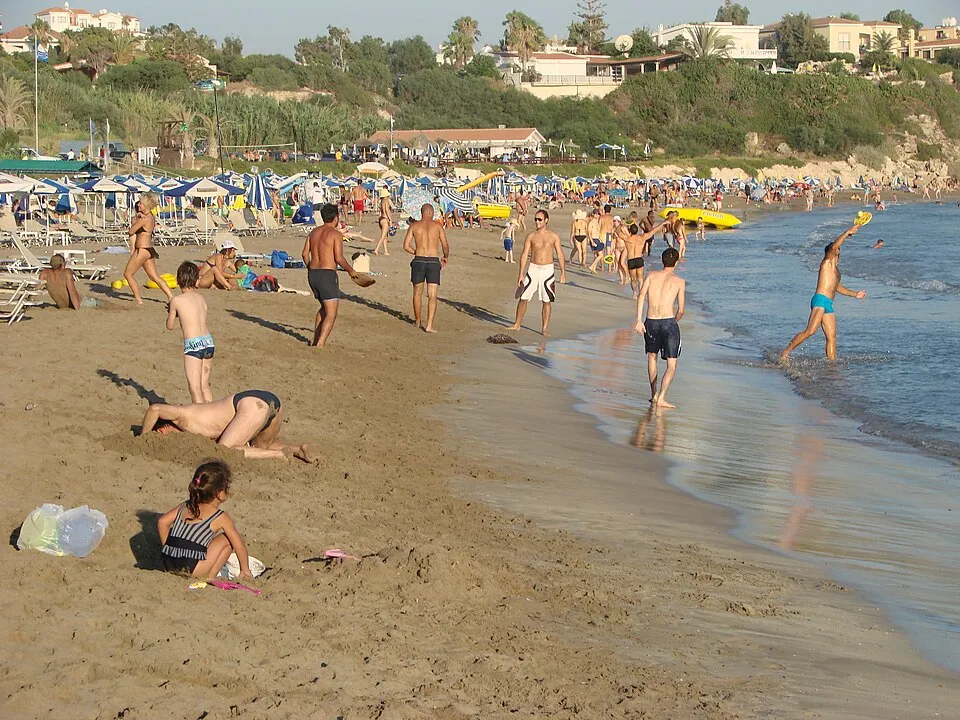
עדיין אין שותפים בטווח 10 ק"מ. שותפים מצטרפים לאורך השנה, והעמוד הזה מתעדכן בהתאם.
פאפוס: עוד מקומות
כל המקומות בפאפוס →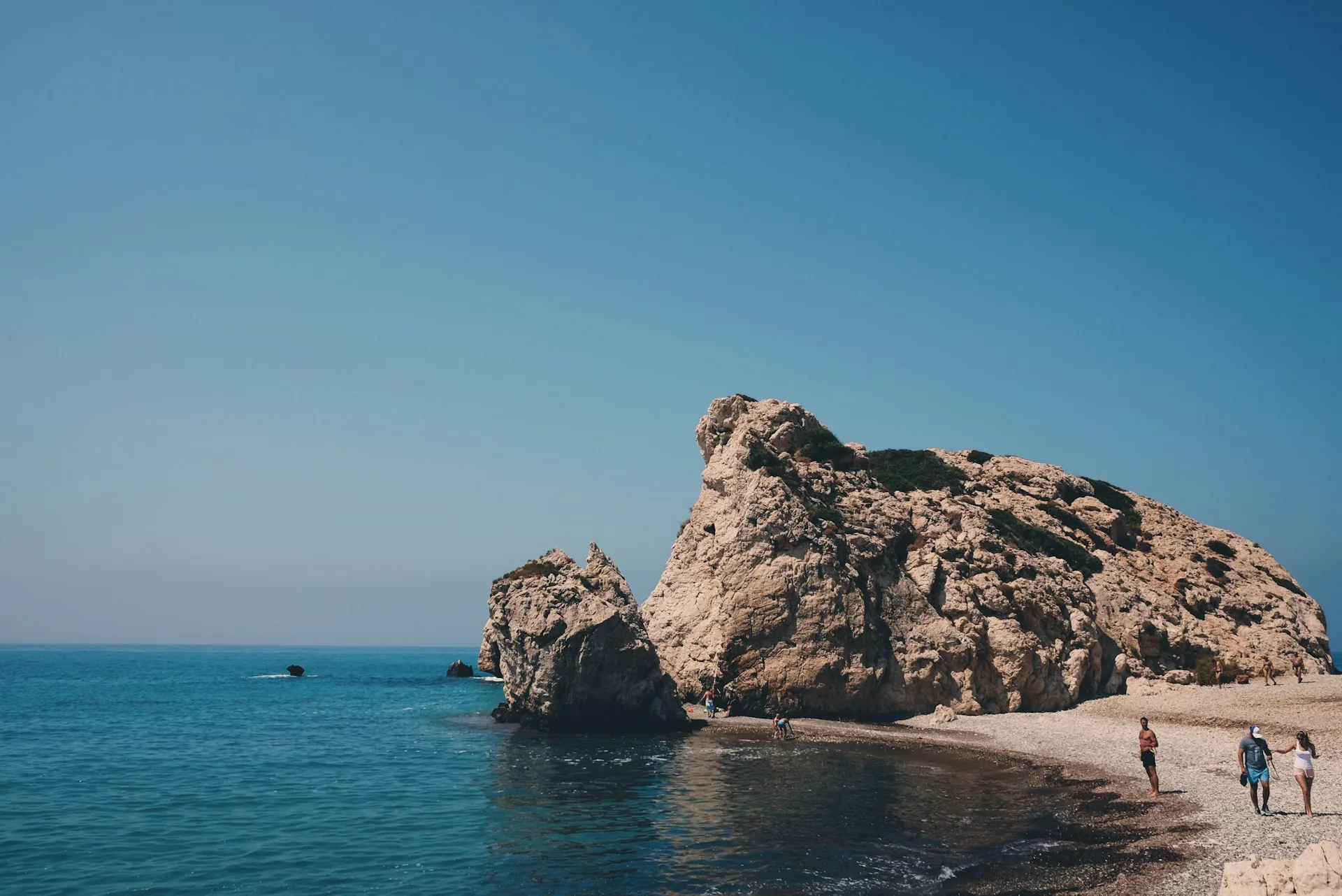 Aphrodite's Rock (Petra tou Romiou)The sea stack where, in legend, Aphrodite rose from the foam. A pebble cove framed by white cliffs on the old Paphos–Limassol coast road, and one of the island's great sunset stops.
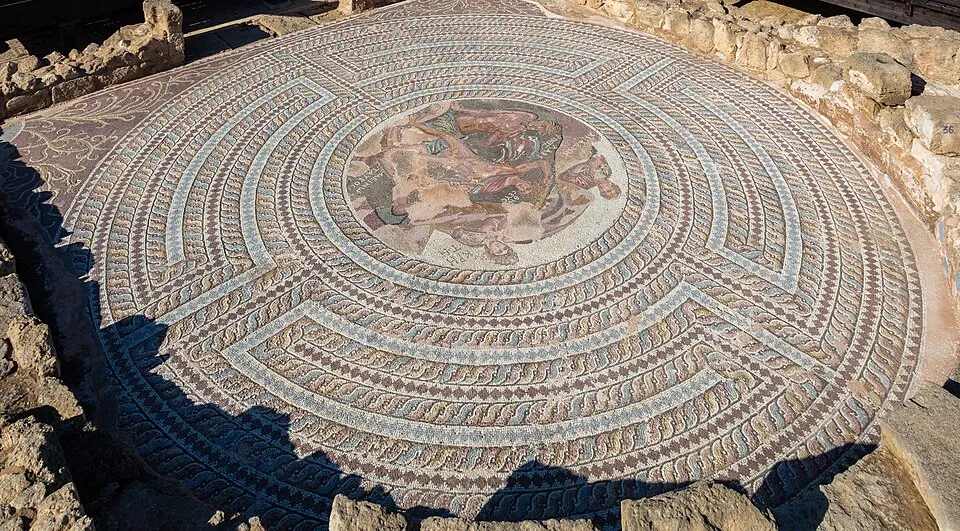 Paphos Archaeological ParkThe UNESCO-listed heart of ancient Nea Paphos, famous for the Roman floor mosaics of the Houses of Dionysus, Theseus and Aion, right beside Paphos harbour.
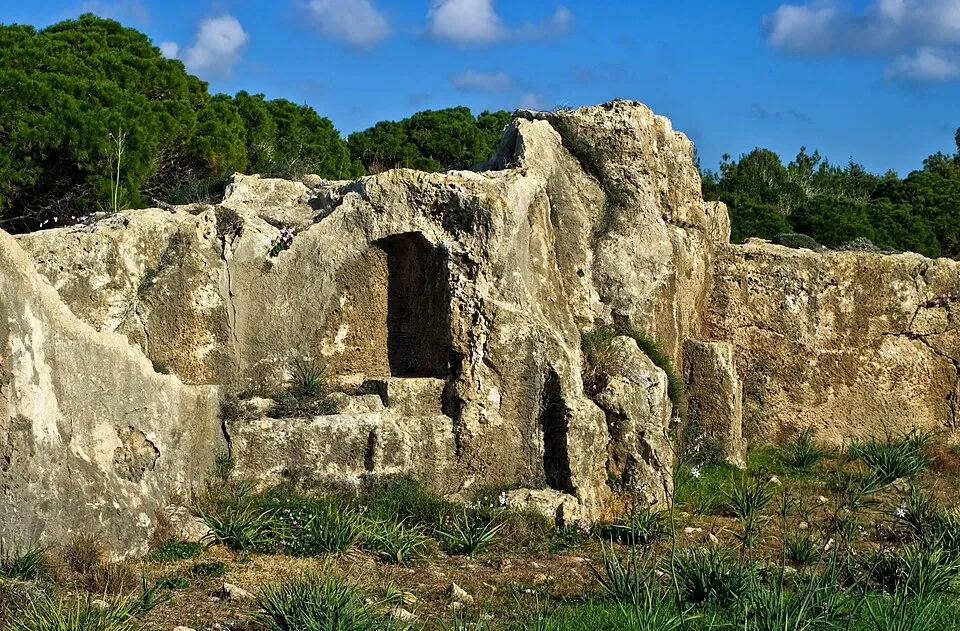 Tombs of the KingsA vast Hellenistic and Roman necropolis cut into the seaside rock north of Kato Paphos, with atrium tombs that feel like underground houses.